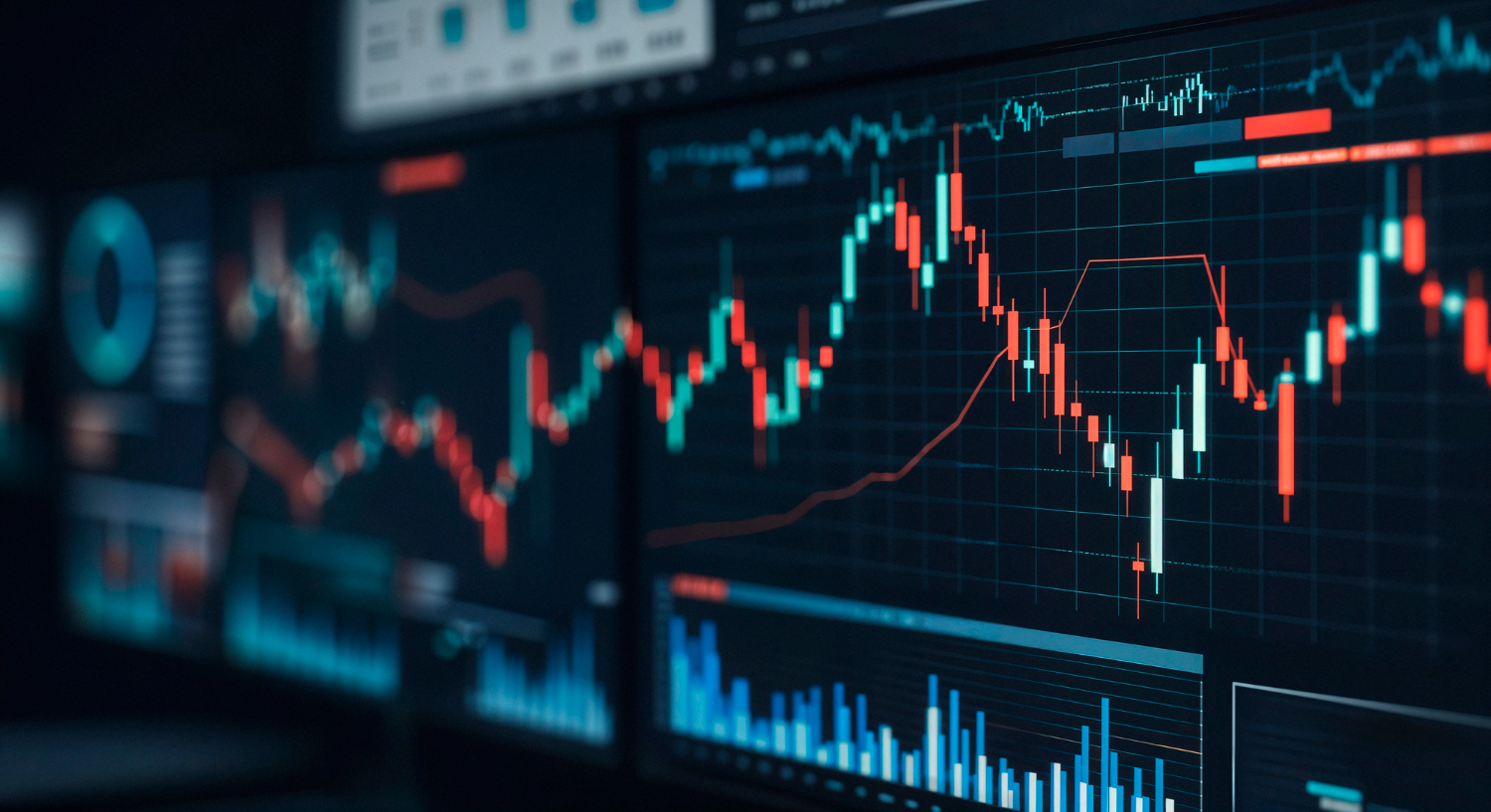
When Hands Free Forex Trading Becomes a Hidden Risk
Hands-free Forex trading sounds simple. Set up the system, let it trade, watch the gains grow while you handle work, family, and everything else. That dream can work for a while, right up until a surprise interest-rate move, a shock inflation print, or a sudden central bank hint hits the market and flips conditions in seconds.
When that happens, a “set it and forget it” approach can turn from helper into hazard. Hands-free Forex trading can quietly multiply risk when markets change faster than the trader or the code behind the system. At Forex Fortune Factory, we build institutional-grade automation that is meant to manage those hidden risks, not ignore them. In this article, we will talk about the red flags to watch for, how to keep some control without babysitting charts all day, and the key safeguards that protect capital when volatility shows up.
When Automation Crosses From Asset to Liability
Think of a trader who has been letting a bot trade all week. Every day shows small, steady wins. The system feels safe. Then, during one major policy update, spreads jump, price whipsaws, and in a single session those slow-built gains disappear.
That flip from comfort to pain often happens when:
The system trades without clear limits
Market conditions change faster than the code can adapt
The trader has checked out mentally because “it is all automated”
Automation is not the issue by itself. The problem is blind trust. When we treat automation like a magic box that can never fail, it becomes a hidden threat instead of a powerful partner.
What we focus on at Forex Fortune Factory is using automation that thinks in terms of risk first. That means frameworks that can pause, adjust, and protect, not just fire off trades around the clock.
The Allure of Hands-Free Forex Trading
Hands-free Forex trading is very attractive right now. Schedules are packed, markets move on layers of data, and retail traders have more access to tools that used to sit only on institutional desks.
There are real benefits when automation is done well:
Emotion-free execution that sticks to rules
24/5 monitoring so you do not miss setups while you sleep or work
Faster reaction to technical triggers than human clicking
A way to systematize a proven trading edge into repeatable rules
But there is a gap between the dream of “passive income” and how automated trading actually works. Even the smartest framework still needs:
Clear rules for when to trade and when to stand aside
Defined risk per trade and per day
Regular reviews to see if the strategy still fits current market behavior
There is also a big difference between a well-built trading framework and a cheap black box robot that promises constant wins. A real framework has risk limits, monitoring, and the ability to adapt to changing conditions. A black box usually has none of that, just flashy promises.
Hidden Risks Behind Set-It-and-Forget-It Systems
Under the hood, a lot can go wrong when a system runs on autopilot without guardrails.
First, there is model risk. Many strategies are tuned on past data that came from a certain kind of market, like low interest rates or calm ranges. When markets shift, for example after a major central bank update or a long quiet period breaks into sharp volatility, the old rules can fail fast.
Then there is execution and liquidity risk. Hands-free systems that:
Trade aggressively in thin sessions
Ignore spread changes
Do not slow down during news releases
can overtrade or get filled at very poor prices. Slippage adds up, and what looked good in backtests can drain capital in live conditions.
Technology and broker risk sit in the background too. Things like:
Interrupted internet or VPS problems
Platform freezes during heavy news
Brokers widening spreads or rejecting orders
can cause a strategy to keep trying to trade while conditions are not normal.
There is also psychological risk. When traders believe the system is “fully safe,” they stop paying attention. That checked-out mindset leads to late reactions when the strategy starts to misbehave.
Red Flags Your Automated Forex Strategy Is Overexposed
So how do you know when your hands-free Forex trading setup is quietly taking on too much risk?
Watch for performance red flags:
Sharp equity drops right after major news
Frequent margin calls or margin warnings
Large overnight losses that were never part of the plan
Look for structural warning signs in the way the system trades:
Too many pairs at once, all highly correlated
High leverage use as a default setting
Grid or martingale tactics that keep adding size into drawdowns
Then notice your own behavior:
Logging in less often because it feels “handled”
Ignoring emails or alerts from your broker
Skipping weekly or monthly performance checks
A simple routine helps catch exposure early. Once a week, scan:
Trade logs and entry timing
Maximum drawdown during the week
Average risk per trade and per day
Once a month, step back and ask whether the system’s behavior still fits your risk comfort.
Turning Automation Into a Risk-Aware Trading Partner
Automation becomes powerful when it is treated as a partner, not a replacement for thinking.
An institutional-grade trading framework, like what we design at Forex Fortune Factory, focuses on three things:
Integrated risk management at the core, not as an add-on
Logic that can adjust to volatility, spread changes, and trend shifts
Continuous re-checking of market conditions instead of fixed, rigid rules
There are key protections you want any hands-free setup to include:
Dynamic position sizing that shrinks when volatility spikes
Max daily loss limits that stop trading after a set limit is hit
Filters that avoid trading right around major economic releases
Rules that pause trading if spreads explode or price action turns chaotic
Most of all, treat automation as “hands-light,” not “hands-off.” Let the system handle scanning charts and clicking orders. You stay in charge of:
How much capital is at risk
What drawdown you are willing to accept
Which pairs and sessions match your goals and stress levels
That balance lets you keep your life free while staying connected enough to protect your money.
Your Next Step Toward Safer Hands-Free Forex Trading
The smart move now is to run a simple, honest risk audit on your current automated trading. Look at:
How much leverage the system uses at peak
The worst drawdown it has taken lately
Which pairs it trades and when
How it behaves during and after high-impact economic events
As winter starts to fade and markets often prepare for new trends into the warmer months, it is a great window to update rules, refine parameters, and tighten risk controls before volatility picks up again.
At Forex Fortune Factory, our focus is keeping the benefits of hands-free Forex trading while bringing in institutional-style risk control and market awareness. Before the next big surprise from a central bank or a major data release hits, take time to review what your current bot is really doing and which safeguards it is missing. That way, your automation can stay an asset, not turn into a hidden liability.
Start Building Your Stress-Free Trading System Today
If you are ready to stop micromanaging every trade and start relying on a proven process, we are here to help you take the next step. At Forex Fortune Factory, we focus on practical strategies that let you reduce screen time while keeping your capital working intelligently. Explore how our approach to hands-free forex trading can fit your goals, risk tolerance, and schedule. Take action today so your trading routine begins to support your lifestyle instead of controlling it.
